When Throwaway Becomes Too Pricey

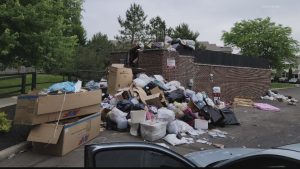
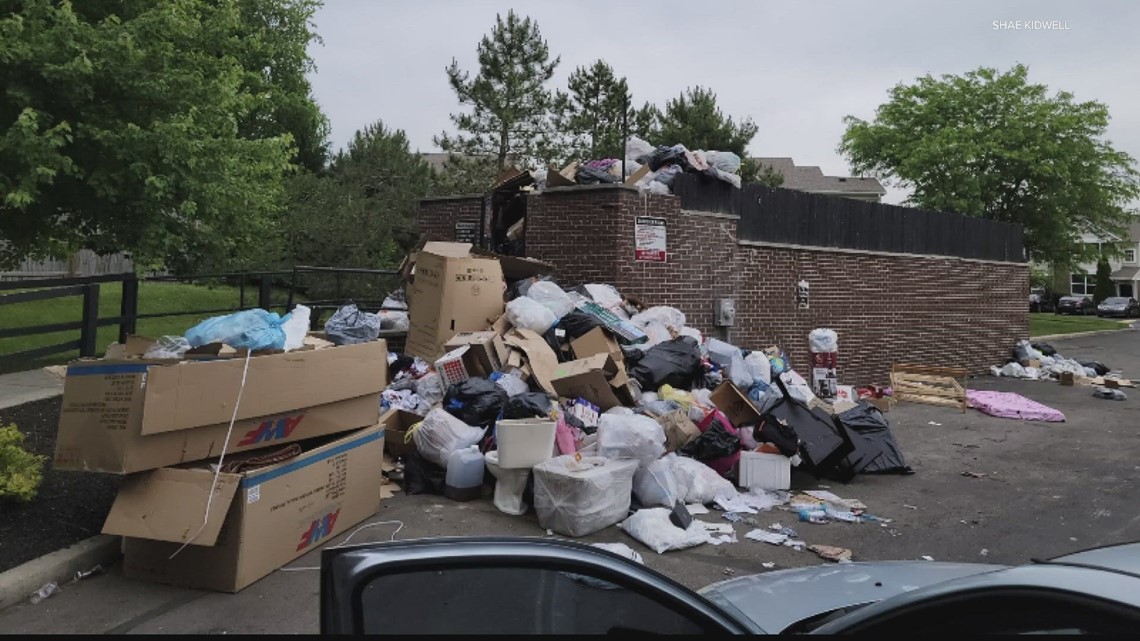
Dumpster Overflowing

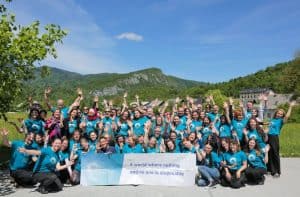
ZW Europe founder Joan Marc Simon argues that "resource scarcity" is an opportunity for the circular economy to thrive

EN-Everything from oil to energy to electronics are becoming more expensive and the average person is buckling under the rising cost of living. So why is that an opportunity for the circular economy?
Zero Waste Europe founder Joan Marc Simon outlined why at the Zero Waste Forum this past June in Turkey and in a new Substack post here.
For far too long, producing something new was cheaper than recycling, repairing or reusing it. Plastic is the classic example here. Virgin plastic bottles are cheaper to make than collecting, washing and reusing old plastic bottles because plastic feedstock is cheap and the producer never had to pay for the afterlife of their products.
The rising cost of oil, gas, synthetic fertilizers, rare earth minerals and a host of other raw materials mean that the circular economy finally makes economic as well as environmental sense. 
However, resource scarcity does not magically create a circular economy: „Historically [resource scarcity] has rather led to conflict and competition which has led to social unrest and political polarisation,“ writes Simon. That’s an apt description of the world we’re living in right now. Which is why the circular economy needs our help to become reality. 
The circular economy needs infrastructure, namely in the form of systems that are capable of handling both the waste and product (like textiles) stream. It needs rules and laws that ensure products are built to last and can be repaired or recovered at the end of their life. And it needs money to make this transition happen, by tapping producers to pay for the waste they create.
What’s wonderful is that many of these actions are already in motion. The EU’s Ecodesign for Sustainable Products Regulation and the Digital Product Passport are creating a global standard for product durability, repairability and recyclability.Extended Producer Responsibilty laws, in which waste producers fund the transition to circularity, are starting to take shape. Wonderful though they are, these regulations are just the start of the zero-waste transition and we have a long way to go before the circular economy arrives.
We here at Zero Waste Kiel hope that Simon is right when he writes about a circular economy that will one day not feel like a compromise or a choice, but „the better option in terms of convenience and affordability.“ We’re here to make it happen.
Read the full post here.

Wenn Wegwerfkultur zu teuer werden

Joan Marc Simon, Gründer von ZW Europe, argumentiert, dass „Ressourcenknappheit“ eine Chance für die Kreislaufwirtschaft darstellt, zu florieren.

DE -Von Öl über Energie bis hin zu Elektronik – alles wird teurer, und der Durchschnittsbürger leidet unter den steigenden Lebenshaltungskosten. Warum bietet das eine Chance für die Kreislaufwirtschaft?
Joan Marc Simon, Gründer von Zero Waste Europe, erläuterte dies im vergangenen Juni auf dem Zero Waste Forum in der Türkei und in einem neuen Substack-Beitrag (hier).
Viel zu lange war die Neuproduktion günstiger als Recycling, Reparatur oder Wiederverwendung. Plastik ist hierfür das Paradebeispiel. Die Herstellung von neuen Plastikflaschen ist günstiger als das Sammeln, Waschen und Wiederverwenden alter Flaschen, da der Kunststoffrohstoff billig ist und die Hersteller nie für die Entsorgung ihrer Produkte aufkommen mussten.
Die steigenden Kosten für Öl, Gas, Kunstdünger, Seltene Erden und viele andere Rohstoffe machen die Kreislaufwirtschaft endlich sowohl wirtschaftlich als auch ökologisch sinnvoll.
Ressourcenknappheit allein schafft jedoch keine Kreislaufwirtschaft: „Historisch gesehen hat sie eher zu Konflikten und Konkurrenz geführt, was wiederum soziale Unruhen und politische Polarisierung zur Folge hatte“, schreibt Simon. Das ist eine treffende Beschreibung der Welt, in der wir leben. Deshalb braucht die Kreislaufwirtschaft unsere Unterstützung, um Realität zu werden.
Die Kreislaufwirtschaft benötigt Infrastruktur, insbesondere Systeme, die sowohl Abfall als auch Produkte (wie Textilien) verarbeiten können. Sie braucht Regeln und Gesetze, die sicherstellen, dass Produkte langlebig sind und am Ende ihrer Lebensdauer repariert oder recycelt werden können. Und sie braucht finanzielle Mittel, um diesen Wandel zu ermöglichen, indem Produzenten für die von ihnen erzeugten Abfälle bezahlen.
Erfreulicherweise sind viele dieser Maßnahmen bereits angelaufen. Die EU-Verordnung für nachhaltiges Produktdesign und der Digitale Produktpass schaffen einen globalen Standard für Langlebigkeit, Reparierbarkeit und Recyclingfähigkeit von Produkten. Gesetze zur erweiterten Herstellerverantwortung, bei denen Abfallerzeuger den Übergang zur Kreislaufwirtschaft finanzieren, nehmen Gestalt an. So vielversprechend diese Regelungen auch sind, sie stellen erst den Anfang des Weges zu einer abfallfreien Wirtschaft dar, und es ist noch ein langer Weg bis zur vollständigen Kreislaufwirtschaft.
Wir von Zero Waste Kiel hoffen, dass Simon Recht hat, wenn er von einer Kreislaufwirtschaft schreibt, die sich eines Tages nicht mehr wie ein Kompromiss oder eine Wahl anfühlt, sondern „die bessere Option in puncto Komfort und Bezahlbarkeit“ darstellt. Wir setzen uns dafür ein, dass dies Wirklichkeit wird.
Den vollständigen Beitrag finden Sie hier.
.

Diese Seite verwendet Cookies um die Nutzerfreundlichkeit zu verbessern. Mit der weiteren Verwendung stimmst du dem zu.