DE – Marie Delaperriére, Mitbegründerin von Zero Waste Kiel e.V., hat kürzlich ein Strategiepapier für das Projekt „Creative Circular Cities“ verfasst, ein Pilotprojekt der Interreg Baltic Sea Region, das in sechs baltischen Städten umgesetzt wurde und den gesellschaftlichen Wandel hin zu einer „Circular Economy“ beschleunigen soll. In ihrem Papier erläutert Delaperriére, wie die Stadt Kiel Kultur und Kreativität nutzte, um eine „Circular Economy“ aufzubauen.
Einige zentrale Erkenntnisse aus dem Kieler Pilotprojekt liefern wichtige Lehren für die Reduzierung von Konsum und Abfall sowie den Übergang zu nachhaltigeren Modellen. (Das vollständige Strategiepapier finden Sie hier.)
Lektion 1: Definition von „Circular Economy“
Der Begriff „Circular Economy“ ist nicht selbsterklärend. In Kiel definierten verschiedene Akteure Circular Economy aus unterschiedlichen Perspektiven: Für einige bezog er sich primär auf Abfallvermeidung und Recycling, während andere Designinnovationen, die Transformation von Geschäftsmodellen oder kulturellen Wandel betonten. Ohne ein gemeinsames Verständnis von „Circular Economy“ können unterschiedliche Interpretationen das Projekt fragmentieren. Indem die Stadt die Beteiligten zusammenbrachte, um gemeinsam eine Definition von „Circular Economy“ zu erarbeiten, konnte sie die umfassenden Ziele der Circular Economy in lokal relevante Ziele übersetzen. Ein weiteres Ergebnis des Pilotprojekts ist, dass diese Definition nicht in Stein gemeißelt ist. Die Bedeutung von „Circular Economy“ verändert sich im Laufe der Zeit. Daher sollten sich die Beteiligten weiterhin treffen und gemeinsam definieren, was Kreislaufwirtschaft für die Stadt Kiel bedeutet.
Lektion 2: Auf Bestehenden aufbauen
Kiel ist eine Stadt mit einem vielfältigen Ökosystem aus kreativen, kulturellen, zivilgesellschaftlichen, unternehmerischen und Bildungsakteuren – die alle ihren Beitrag zum Übergang zur Kreislaufwirtschaft leisten. Das CCC-Pilotprojekt baute auf einer Reihe bereits bestehender Initiativen, Organisationen, Festivals, Kreativräume und der bestehenden Community in der Stadt auf, um die Circular Economy Movement zu stärken und zu vernetzen.
Das Waterkant Festival ist ein zweitägiges Innovations- und Start-up-Festival, das Unternehmer, Kreativschaffende, Forscher, kleine und mittlere Unternehmen sowie Investoren aus ganz Nordeuropa zusammenbringt. Die Veranstaltung präsentiert Innovationen, Prototypen, neue Trends und zukunftsweisende Ideen.
Das CCC-Projekt nutzte das Festival 2024, 2025 und 2026 als Plattform und organisierte eine Ausstellung sowie drei Podiumsdiskussionen zu Themen wie Kreislaufinnovationen und Wirtschaftsmodelle der Zukunft. Das Waterkant Festival zieht jährlich über 1.500 Besucher an und hat sich zu einer wichtigen Gelegenheit entwickelt, ein vielfältiges Publikum aus Kreativen, Unternehmen, politischen Entscheidungsträgern, Studierenden und Bürgern für den Übergang der Stadt zu einer Circular Economy zu gewinnen.
Die Nutzung bestehender Netzwerke ermöglicht einen effizienteren Ressourceneinsatz und erhöht gleichzeitig die Reichweite und Wirkung von Kreislaufinitiativen.
Lektion 3: Kreativität ist der Schlüssel zum Erfolg
Wie können wir die Circular Economy im Alltag der Bürger erlebbar machen? Die Erfahrungen in Kiel zeigen, dass Kreativität eine entscheidende Voraussetzung ist, um ein technisches Konzept sichtbar, verständlich und alltagsrelevant zu vermitteln. Konkrete Beispiele und lokale Projekte sind die Repair- und Upcycling-Festivals sowie die Circular Stories Night in Kiel, die veranschaulichen, wie kreative Formate Bürger effektiv einbinden können.
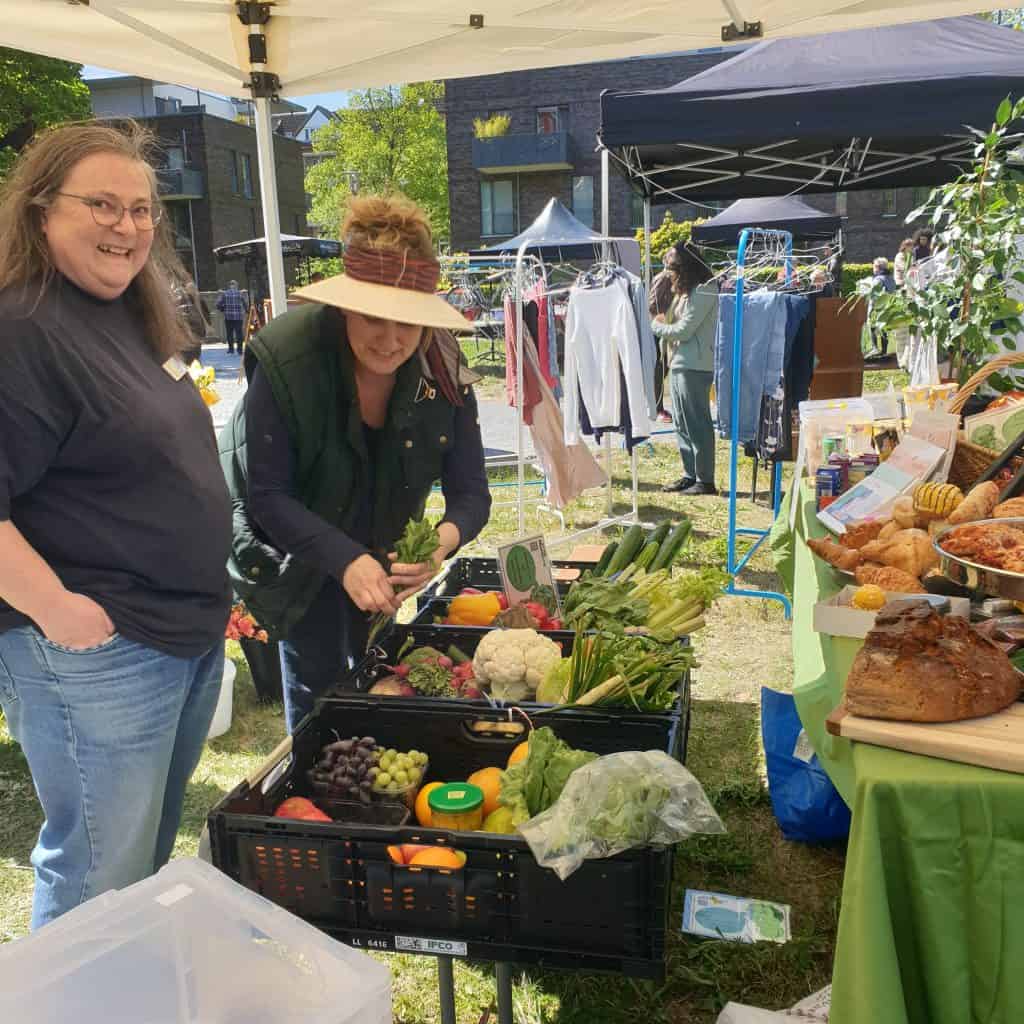
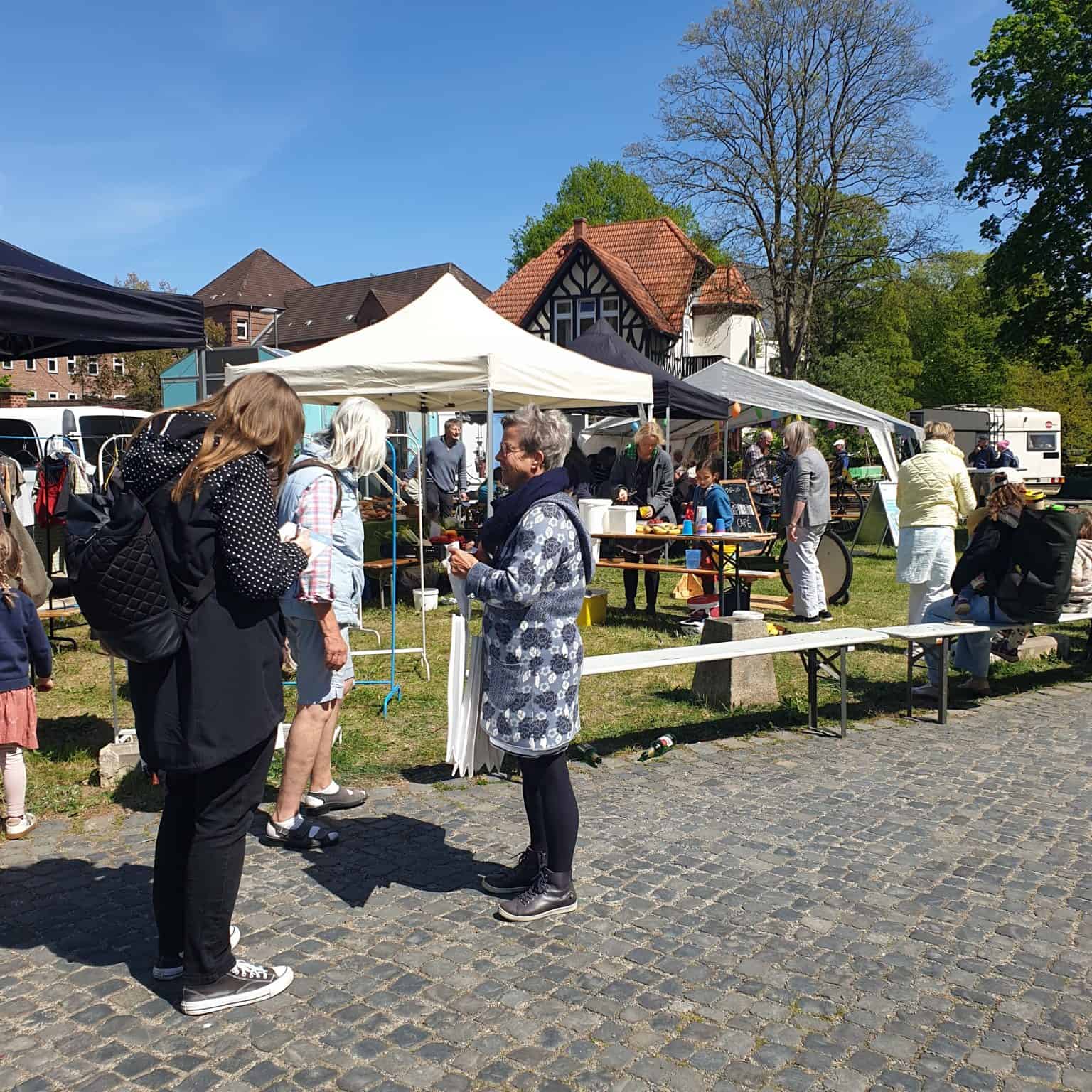
Auf dem Anscharcampus, einem der Projektpartner des CCC in Kiel, fanden zwei Reparatur- und Upcycling-Festivals statt. Die Festivals boten über 30 Aktivitäten, Workshops und Vorträge rund um Reparatur, Wiederverwendung und Upcycling und wurden durch Musik und Essen in festlicher Atmosphäre ergänzt. Insgesamt nahmen rund 1.000 Personen teil.
In Zusammenarbeit mit dem monatlichen Erzählformat „Storytelling.Kiel“ wurde eine „Circular Stories Night“ organisiert. Die Veranstaltung brachte Menschen zusammen, deren Arbeit, Hobbys oder ehrenamtliches Engagement zum Ressourcenschutz beitragen. Die Teilnehmenden tauschten persönliche Erfahrungen und Perspektiven aus und förderten so Kreativität, Dialog und gesellschaftliches Engagement im Bereich der Circular Economy.
Die Kieler Strategie nutzt Kultur und Kreativität, um die Circular Economy praktisch, sichtbar und attraktiv zu gestalten – ohne neue, isolierte Strukturen zu errichten. Das vollständige Strategiepapier, das die Pilotprojekte und Erkenntnisse der Stadt detaillierter beschreibt, finden Sie hier.