DE – Vielleicht haben Sie die Videos gesehen, die online kursieren. Jemand holt einen unscheinbaren Müllsack aus einem Container und findet darin Handtaschen, Schuhe, Gürtel und Schmuck, die absichtlich zerschnitten und verschmutzt wurden, damit sie niemand mehr tragen kann. Mit dem Aufstieg der Fast Fashion ist es für Modehändler oft günstiger und schneller, unverkaufte Ware zu entsorgen oder zu vernichten – und schafft so eine neue, große Abfallquelle.
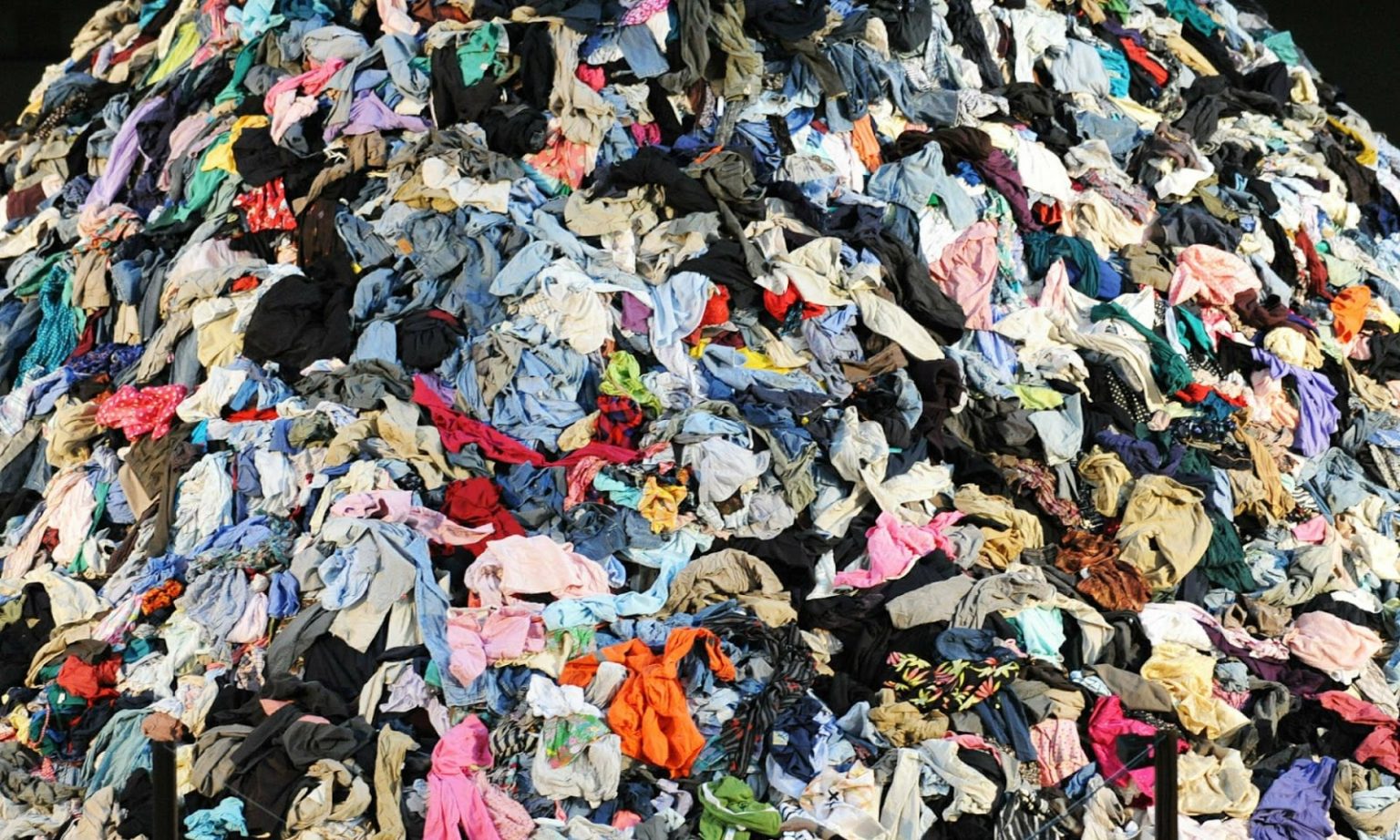
Heute kaufen und werfen wir mehr von dieser billigen „Fast Fashion“ weg als je zuvor. Weltweit fallen jährlich rund 83 Millionen Tonnen Textilabfälle an – das entspricht der Ladung eines Müllwagens, die jede Sekunde verbrannt oder auf Deponien entsorgt wird. Der Großteil dieser weggeworfenen Kleidung landet in Afrika, wo die lokale Bevölkerung in Kenia, Angola, Ghana und vielen anderen Ländern mit giftigen Farbstoffen, Dämpfen und Mikroplastik in der Umwelt zu kämpfen hat.

Am 19. Juli 2026 verabschiedete die Europäische Kommission eine wichtige neue Maßnahme zur Eindämmung des Handels mit Textilabfällen und indirekt auch der illegalen Plastikentsorgung. Die neuen Maßnahmen (im Rahmen der Ökodesign-Verordnung für nachhaltige Produkte) verbieten großen Bekleidungsunternehmen die Vernichtung unverkaufter Bekleidung, Accessoires und Schuhe. Dieser Schritt trägt dazu bei, Abfall zu reduzieren, Umweltschäden zu minimieren und gleiche Wettbewerbsbedingungen für nachhaltige Unternehmen zu schaffen, die die Prinzipien der „Circular Economy“ verfolgen.
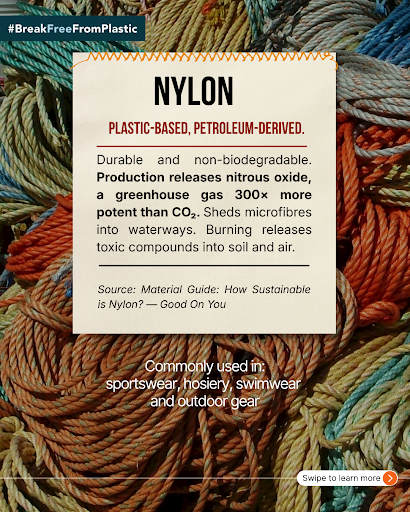
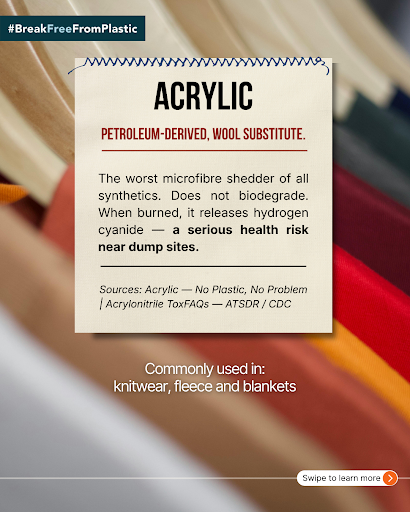
Ihre Kleidung besteht heute größtenteils aus Plastik. Fast 70 % der weltweiten Textilproduktion bestehen aus Plastik oder synthetischen Materialien. Doch der Einsatz von Plastik in der Modewelt ist schwer zu erkennen, da es unter verschiedenen Namen wie Polyester, Polypropylen, Acryl und Nylon firmiert. Diese synthetischen Materialien werden oft mit Naturfasern wie Baumwolle oder Wolle gemischt, um die Dehnbarkeit zu verbessern oder einfach die Produktionskosten zu senken.
Die neuen EU-Maßnahmen sind ein wichtiger erster Schritt, um die wachsende Flut an Modeabfällen einzudämmen. Der British Fashion Council schätzt, dass es weltweit genug Kleidung gibt, um die nächsten sechs Generationen einzukleiden. Fast-Fashion-Anbietern zufolge gibt es derzeit genug Kleidung auf der Welt. Die Regelung gilt für große Bekleidungsunternehmen mit mehr als 250 Mitarbeitern und einem Jahresumsatz von 50 Millionen Euro. Statt unverkaufte Kleidung zu vernichten, müssen Unternehmen Wege finden, die Produkte durch Rabatte, alternative Absatzmärkte oder Spenden an Wohltätigkeitsorganisationen zu verkaufen. Ab Februar 2027 müssen Bekleidungsunternehmen die Menge der aussortierten Produkte öffentlich melden. Ab 2030 gelten die neuen Regeln auch für mittelständische Unternehmen.
EN – You might have seen the videos circulating online. A person removes a nondescript garbage bag from a dumpster and finds purses, shoes, belts and jewelry inside that have been purposefully slashed and stained so no one can wear them again. With the rise of fast, cheap fashion, it’s often cheaper and faster for fashion retailers to dump or destroy unsold stock, creating a new major source of waste.
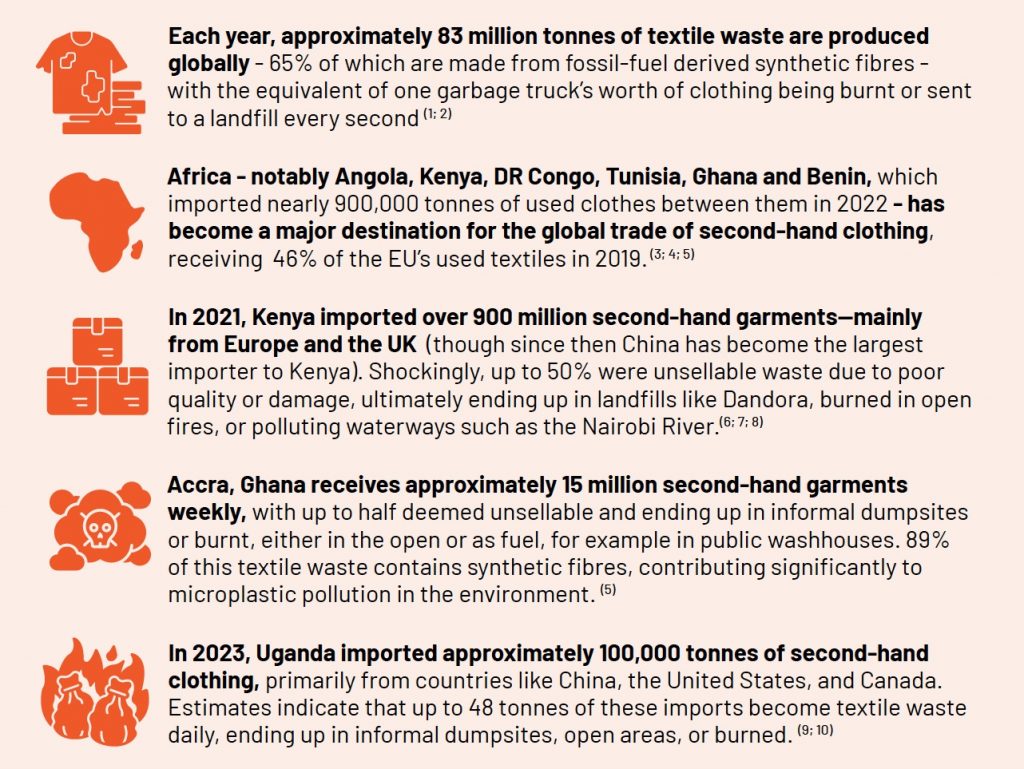
Today, we’re buying and throwing away more of this cheap, plastic clothing than ever before. Every year, approximately 83 million tonnes of textile waste is produced globally – the equivalent of one garbage truck’s worth of clothing burnt or sent to landfill every second. The majority of this discarded clothing ends up in Africa, where local communities in Kenya, Angola, Ghana, and many others are forced to deal with toxic dyes, fumes and microplastics released into the environment.
On July 19, 2026 the European Commission adopted a significant new measure in curtailing the textile waste trade and, indirectly, the dumping of plastic. The new measures (under the Ecodesign Sustainable Products Regulation) ban the destruction of unsold apparel, clothing, accessories and footwear by large apparel companies – a move that will help cut waste, reduce environmental damage and create a level playing field for sustainable companies that are pursuing circular economy principles.
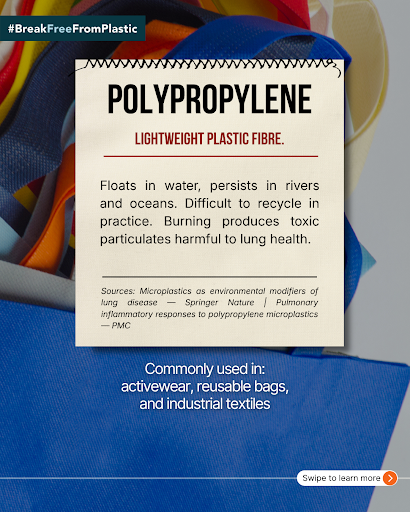
Your clothing today is mostly plastic. Almost 70% of global textile production is plastic or made from synthetic material. But plastic’s infiltration is hard to spot in the fashion world because it goes by different names: polyester, polypropylene, acrylic, nylon. These synthetic materials are often blended with natural ones, like cotton or wool, to help with stretch or simply to drive down production costs.
The new EU measures are an important first step in stopping the growing tide of fashion waste. The British Fashion Council estimates that the world has enough clothes to dress the next six generations. Fast fashion retailers like currently enough clothes in the world It applies to large apparel businesses with over 250 employees and 50 million in sales each year. Instead of destroying unsold clothing, companies must find a way to sell the products via discounts, alternative markets or donations to charity. By February 2027, apparel companies must publicly report the volume of discarded products. In 2030, medium-sized companies will have to follow the new rules as well.